Case Study #4: Optimizing Warehouse Space for Electric Vehicle Production Growth
The client is a technology company advancing electric transportation with battery and powertrain solutions for commercial buses, trucks and industrial machines. As EV production scaled, battery components, raw materials and finished products overcrowded an under-utilised warehouse, slowing retrieval and raising costs, while expanding the footprint would have meant a major investment. Through our Analytics Co-Pilot service we used predictive models to optimise safety stock, redesign the layout and minimise overstock, reducing space needs by about 20% without adding a square metre.
At a glance
Client: electric vehicle technology company, United States · Industry: Manufacturing, supply chain · Scope: warehouse optimisation via Analytics Co-Pilot
Rapid production growth increased the volume of battery components, raw materials and finished products to store.
The warehouse was overcrowded yet under-utilised, causing longer retrieval times and higher operating costs.
Expanding the physical footprint would have required significant capital investment.
Inefficient space use complicated logistics and put on-time delivery at risk.
Project objectives
Reduce the space required to hold inventory.
Store inventory for easy access and faster retrieval.
Minimise overstock while supporting the increasing pace of production.
Avoid the cost and delay of building or leasing additional space.
Our approach
We analysed the client's historical data on inventory levels, storage conditions and order fulfilment patterns to see how space was actually being used and where it could be recovered.
1. Safety stock optimisation
Predictive models set safety stock levels that account for production schedules, customer demand and supplier lead times, keeping the right quantities on hand without overstocking.
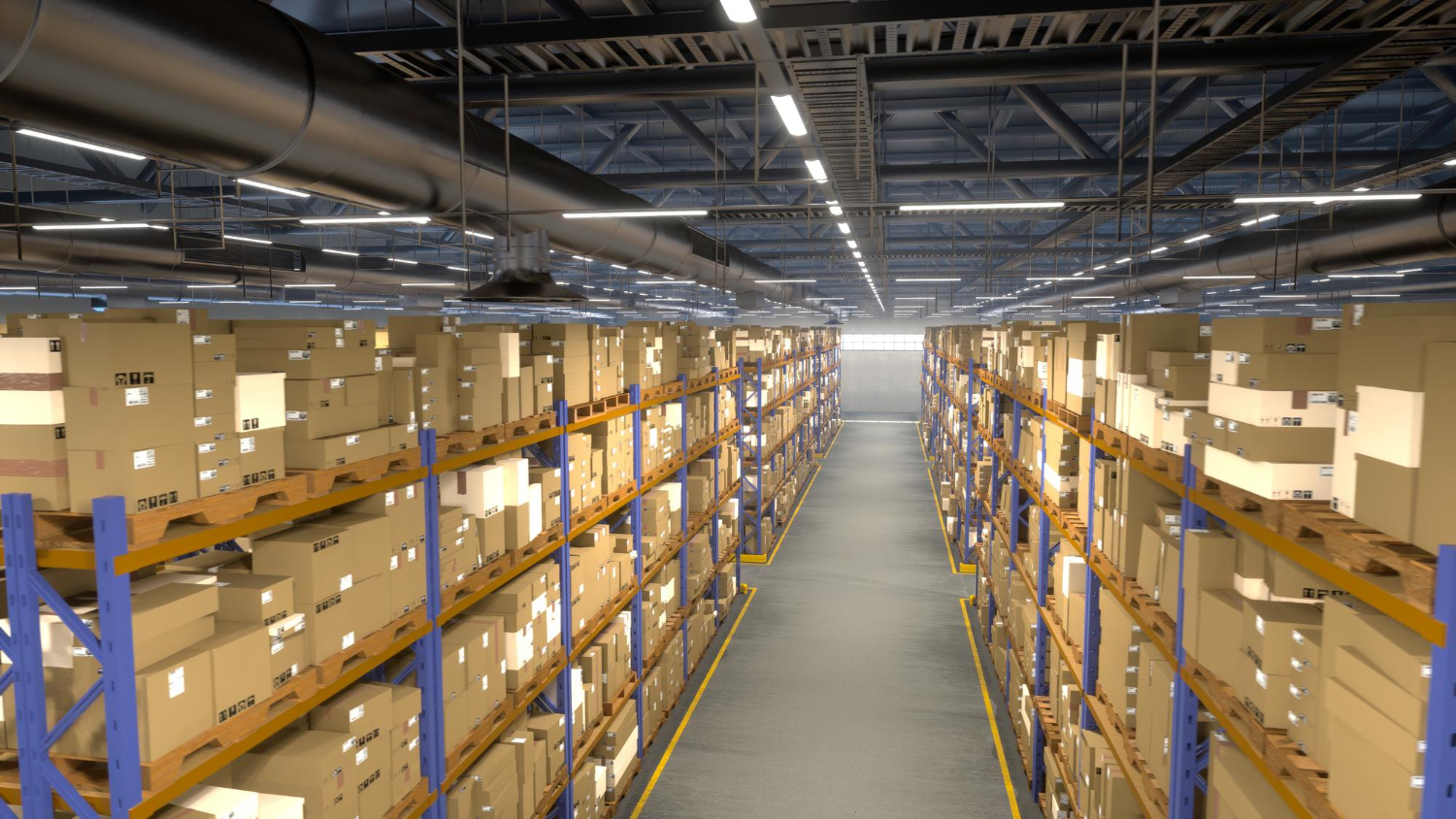
Figure 1. Warehouse operations before the layout redesign
2. Dynamic warehouse layout
A data-driven blueprint restructured how items are stored, organised and retrieved: high-frequency items moved to accessible locations, lower-demand items to less prime areas, freeing space for critical battery components.
Figure 2. Logistics flow in a reorganised warehouse
3. Overstock minimisation
Inventory forecasting models predict future needs from production trends and customer demand, and real-time monitoring keeps stock from creeping above them.
Figure 3. Inventory monitored in real time against forecast demand
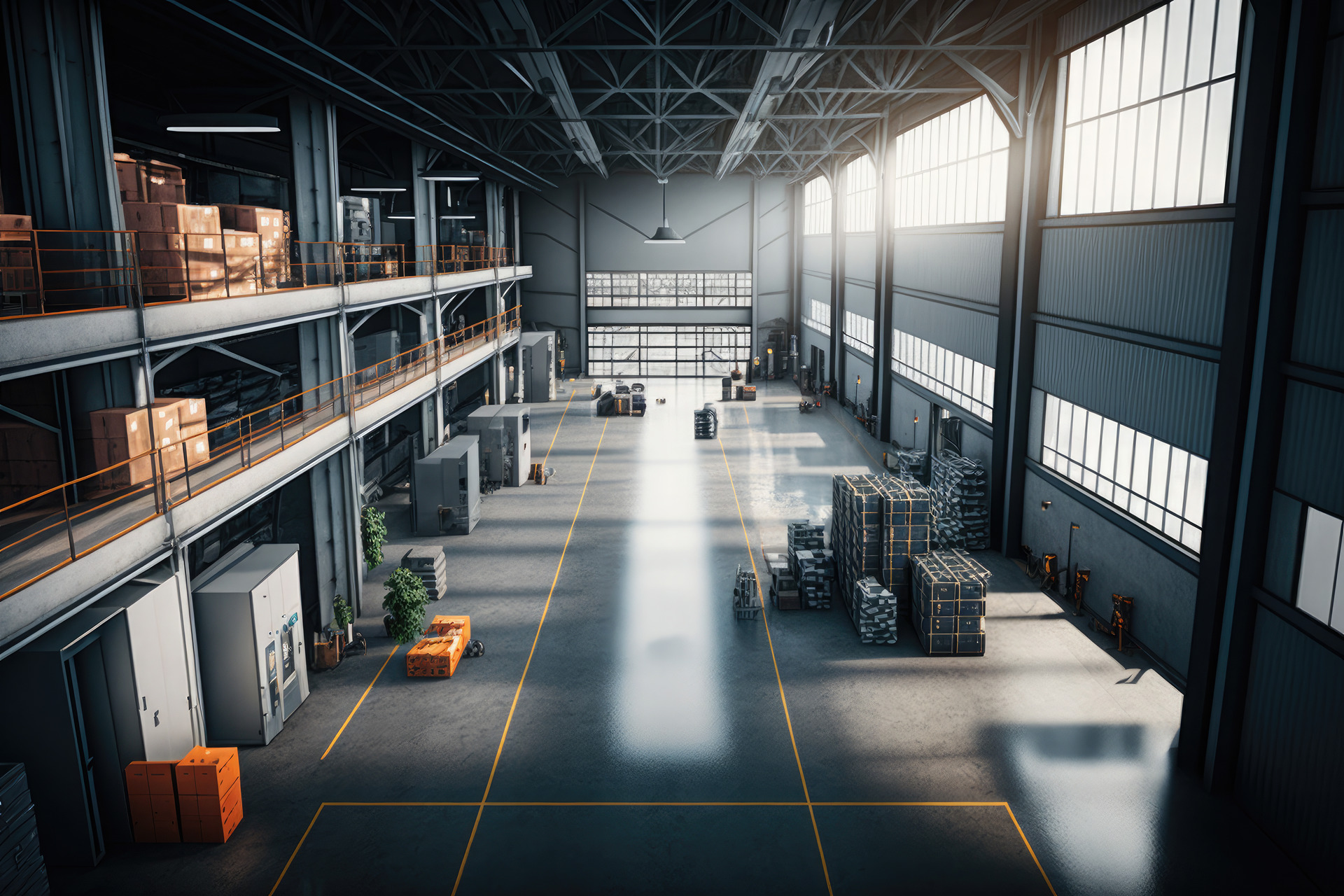
Figure 4. A large logistics warehouse organised for fast retrieval
Results
About 20% reduction in warehouse space requirements, with no additional construction or leasing.
Faster retrieval and better material flow from the redesigned layout, with fewer disruptions for warehouse staff.
Lower overhead for inventory management, storage and labour.
Greater inventory accuracy and fewer stockouts, keeping production uninterrupted.
Beyond the warehouse
Optimised space and less waste support the client's sustainability commitments.
The managed Analytics Co-Pilot service keeps models current as production scales.
The same data foundation now informs production planning and supplier management.
Capital that would have gone to new space is available for EV growth.
Business impact
The client re-engineered a congested, sub-optimal storage operation into an efficient, data-driven one: about 20% less warehouse space, lower operating costs, faster order retrieval and greater inventory accuracy, directly supporting its mission to meet rising EV demand without excessive cost.
Conclusion
With MARRA Data's Analytics Co-Pilot, the client's warehouse is optimised for today and scalable for tomorrow, and the company is better positioned to lead the shift to sustainable electric transport.
Is your warehouse growing faster than your floor space?
We optimise inventory and storage for manufacturers. See how the Analytics Co-Pilot for Manufacturing works, or talk to us about your operations.